Definitive Guide

How does Mounjaro work? A clear guide to its dual-action mechanism

Mounjaro is a medicine that acts on two natural hormone pathways involved in appetite regulation and blood sugar control. By working through these pathways, it can help reduce hunger, increase feelings of fullness, and support steady changes in eating habits.

This guide explains the science behind how Mounjaro works and why its dual action is different from other treatments.


Clinical weight management experts

NICE and MHRA approved medications

Coaching and support included

Fast Facts

  • Mounjaro (tirzepatide) is a dual GIP and GLP 1 receptor agonist.
  • It works by slowing stomach emptying, reducing hunger signals, and helping people feel full sooner and for longer.
  • It improves the way the body handles glucose after meals.
  • The appetite effects usually begin within a few weeks and increase gradually as the dose is escalated.
  • The GIP pathway is thought to enhance the appetite and metabolic effects beyond GLP 1 medications like Wegovy.
  • Most people notice changes in portion size, cravings, and snacking habits.
  • Sustainable results depend on the behaviour changes built during treatment.

What exactly is Mounjaro?

Mounjaro is the brand name for tirzepatide, a medication that activates two natural hormone receptors in the body called GIP and GLP 1 receptors. These hormones are released by the gut after eating and help regulate appetite, blood sugar, and digestion.

Tirzepatide mimics the action of both hormones. Because it stimulates two pathways at once, Mounjaro works differently from medications that only activate GLP 1 receptors.

Mounjaro is licensed in the UK for type 2 diabetes and is used for weight management in some people based on clinical assessment. Any use must be supervised by a prescribing clinician.

How Mounjaro works inside the body - overview

Mounjaro influences appetite, digestion, cravings, and food reward. The effects build gradually, but most people notice distinct changes as the medication reaches steady levels in the bloodstream.

Key effects include:

• Slower stomach emptying, which means food stays in the stomach for longer and increases the feeling of fullness after meals
• A reduction in hunger signals, particularly between meals
• Feeling satisfied with smaller portions
• Fewer cravings and reduced drive to snack
• More stable post meal glucose levels, which prevents highs and crashes that can trigger hunger
• A calmer, more controlled relationship with food due to changes in satiety signalling

These effects help people eat less without constant willpower or restriction.

How Mounjaro works in the brain and digestive system

Reduced hunger signals

Mounjaro activates GLP-1 and GIP receptors involved in appetite regulation. This reduces the intensity of hunger signals and helps limit urges to snack or overeat.

Feeling full sooner

People often feel satisfied with smaller amounts of food because the brain receives earlier satiety signals during meals.

Slower stomach emptying

Food stays in the stomach for longer, which contributes to reduced appetite between meals and helps with portion control.

Improved response to glucose

Activation of these hormone pathways supports a more stable blood sugar response after eating, which can help reduce cravings linked to glucose fluctuations.

Dual-pathway synergy

The combination of GIP and GLP-1 activation is what makes Mounjaro different from single-pathway GLP-1 medications. Acting on both systems produces more robust effects on appetite and metabolic regulation.

The science behind Mounjaro - detailed mechanism information

Mounjaro acts on two incretin hormone pathways. Incretins are hormones naturally released after eating and play an important role in appetite and metabolism.

The GLP 1 pathway

The GLP 1 pathway regulates appetite and helps manage blood sugar after meals. When stimulated, GLP 1 receptors:

• Slow gastric emptying
• Increase satiety and fullness
• Reduce appetite and cravings
• Trigger insulin release when glucose is present
• Suppress glucagon, which reduces excess glucose release by the liver

This mechanism is the same pathway activated by semaglutide, liraglutide, and other GLP 1 medications.

The GIP pathway

GIP (glucose dependent insulinotropic polypeptide) is another incretin hormone. It also influences appetite and the way the body handles glucose. GIP receptors:

• Enhance insulin release in response to food
• Influence fat metabolism
• Affect brain regions linked to food reward and appetite control
• Complement GLP 1 effects through separate but related signalling pathways

Scientists believe that activating both GLP 1 and GIP receptors strengthens the appetite and metabolic effects compared with activating GLP 1 alone.

Why dual agonism produces greater effects

Research suggests that the combined stimulation of GLP 1 and GIP receptors creates an amplified effect on hunger, fullness, glucose regulation, and metabolic rate.

This may explain why trials of tirzepatide show higher average weight loss than trials of GLP 1 medications alone, although individual results vary. The combined pathways appear to influence multiple aspects of appetite and food intake at the same time.

What people usually notice on Mounjaro

People typically describe:

• Feeling full sooner during meals
• Getting comfortably satisfied with much smaller portions
• A reduced urge to snack or graze
• Fewer cravings for high calorie foods
• Less emotional or impulsive eating
• A more predictable appetite during the day
• A calmer relationship with food

Digestive changes are also common early on, including nausea, slower digestion, or mild bloating. These effects usually improve as the body adjusts.

When and how fast Mounjaro starts working

Many people start noticing appetite changes within two to four weeks. The effect grows gradually as the dose increases.

The medication is escalated slowly to allow the digestive system to adapt. Appetite suppression often becomes more noticeable around the mid range doses once steady levels are achieved.

Weight loss usually follows a pattern of early changes, followed by steadier progress. Periods of slower weight loss or plateaus are normal, even when the medication is working effectively.

How Mounjaro differs from Wegovy and other GLP 1 medications

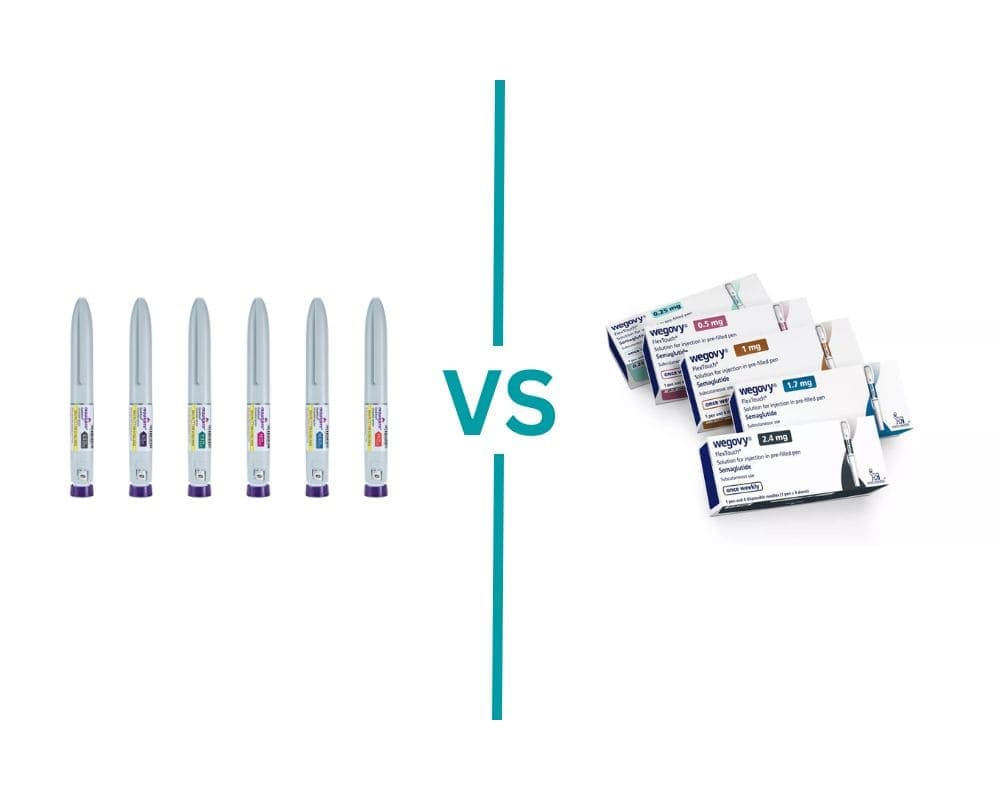
The main difference is that Mounjaro activates two hormone receptors instead of one. Wegovy contains semaglutide, which activates only the GLP 1 receptor.

Key distinctions include:

• Mounjaro engages both GLP 1 and GIP receptors
• Dual activation may lead to stronger appetite suppression
• Some people respond differently to each medication
• Mounjaro has shown higher weight loss ranges in research trials
• Individual suitability varies and is assessed clinically

Both medications rely on appetite changes, slower digestion, and satiety signalling to support weight management.

Clinical evidence behind how Mounjaro works

Several major clinical trials have assessed tirzepatide for weight management.

The SURMOUNT 1 and SURMOUNT 2 trials showed:

• Significant average reductions in body weight
• Greater effects at higher doses
• Improvements in metabolic health markers
• Broad reductions in hunger and overeating behaviours

Real world results vary based on lifestyle, dosage, and individual response.

How it works long term - what we know so far

Long term data is still developing, but current evidence suggests:

• Continued use maintains appetite regulation
• Stopping treatment often leads to the return of previous hunger patterns
• Lasting weight maintenance depends heavily on the behaviours learned while on treatment
• Emerging research is exploring whether dual agonists may support longer term metabolic changes, but more evidence is needed

People who build consistent routines, regular meal patterns, and stable activity habits tend to sustain results more effectively.

How does Mounjaro work - FAQ's

Last updated: 

Disclaimer

This article is for general information only and should not be used for the diagnosis or treatment of medical conditions. Medic Spot Limited has used all reasonable care in compiling the information but makes no warranty as to its accuracy. Consult a doctor or other healthcare professional for diagnosis and treatment of medical conditions. In the event of an emergency, please call 999 for immediate assistance.

There is no guarantee of a specific weight loss medication being prescribed. Clinicians will review your online questionnaire alongside other independently validated medical information about you and will recommend the most appropriate weight loss treatments for you based on your answers. In some cases, the clinicians may contact you for additional information. See Terms of Service for more information.