In this guide, Medicspot’s weight management experts explore the differences between GLP-1 receptor agonists (often known by brand names such as Mounjaro and Wegovy) and non-GLP-1 medications.
Definitive Guide
GLP‑1 vs Non‑GLP‑1 Treatments

Clinical weight loss experts
MHRA and NICE approved medications
Coaching and support included
Written by

Medicspot Staff Author
Author
Reviewed by

Dr Abby Hyams
Doctor
Last Updated: Sep 23, 2026
Next Review: Nov 12, 2026
Guide contents
01Overview
02How GLP-1 Medicines Work
03How Non-GLP-1 Medicines Work
04Comparing Effectiveness
05Safety and Side Effects
06Cost and Access
07Choosing the Right Option
08About the Reviewer
Articles related to GLP‑1 vs Non‑GLP‑1 Treatments
Overview
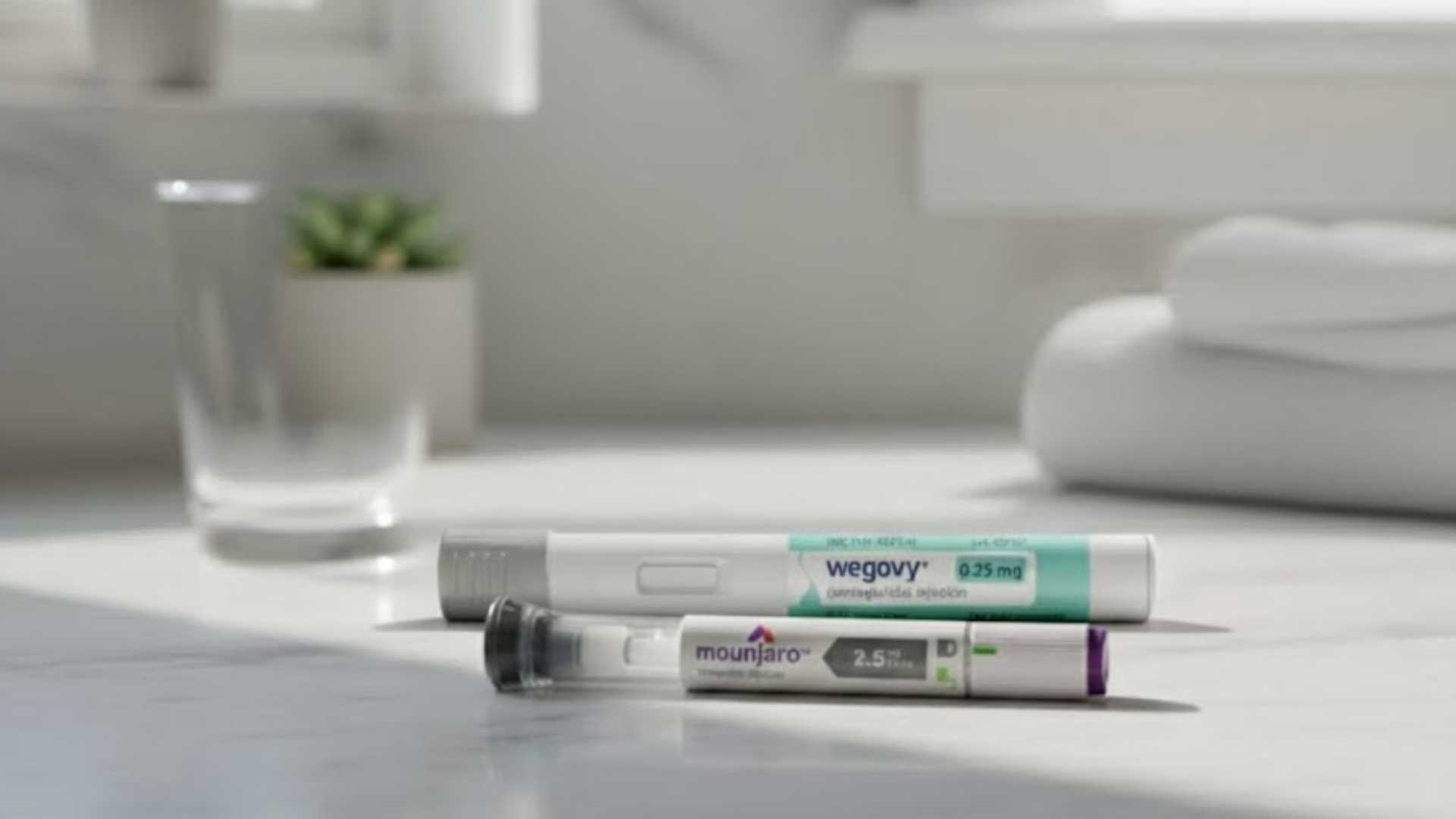
There are several types of weight-loss medicines. GLP-1 medications, like Wegovy and Mounjaro, work with natural hormones that control appetite and digestion. Non-GLP-1 treatments, such as orlistat or naltrexone/bupropion, work differently, either by blocking fat absorption or reducing cravings in the brain.
GLP-1 receptor agonists and dual GIP/GLP-1 agonists target hormone pathways with strong evidence for both weight loss and metabolic health. Non-GLP-1 medications have narrower effects and typically lead to smaller average reductions in body weight.
For most people, GLP-1-based treatments are now considered the most effective pharmacological option when combined with nutrition and lifestyle support.
How GLP-1 Medicines Work
GLP-1 medicines copy a natural gut hormone that helps you feel full sooner, eat less, and keep blood sugar steady after meals.
These drugs slow how quickly the stomach empties, reduce cravings by acting on appetite centres in the brain, and boost insulin release when glucose is high.
They include:
- Semaglutide (Wegovy, Ozempic, Rybelsus)
- Liraglutide (Saxenda, Victoza)
- Tirzepatide (Mounjaro, a dual GLP-1 + GIP agonist)
How Non-GLP-1 Medicines Work
Other weight-loss drugs use very different methods. Some reduce fat absorption, while others act on the brain to limit cravings.
- Orlistat (Xenical, Alli) blocks enzymes that digest dietary fat, so less is absorbed.
- Naltrexone / Bupropion (Mysimba) changes how the brain’s reward system responds to food.
- Phentermine / Topiramate (available in some countries, not UK) suppresses appetite through central stimulation.
- Setmelanotide treats rare genetic obesity syndromes via MC4 receptor activation.
Comparing Effectiveness
GLP-1 and dual agonist medicines generally lead to the greatest average weight loss and better improvements in blood sugar, blood pressure, and cholesterol.
GLP-1 Receptor Agonists (GLP-1 RA)
- Average weight loss: 10–15%
- Key evidence: STEP 1, SCALE trials
Dual GIP / GLP-1 Agonists
- Average weight loss: 15–22%
- Key evidence: SURMOUNT-1 trial
Orlistat
- Average weight loss: 3–5%
- Key evidence: Cochrane Review 2017
Naltrexone / Bupropion
- Average weight loss: 5–8%
- Key evidence: COR I–IV studies
Phentermine / Topiramate (not available in UK)
- Average weight loss: 8–10%
- Key evidence: CONQUER 2011 trial
Safety and Side Effects
All medicines can cause side effects. GLP-1 drugs most often cause nausea or mild stomach upset, while others have different issues.
- GLP-1s: nausea, constipation, reflux, or fatigue which usually settle with slow titration.
- Orlistat: oily stools, flatulence, and urgency if meals contain too much fat.
- Naltrexone / Bupropion: insomnia, headache, or raised blood pressure.
tip
Always follow medical advice and report persistent or severe symptoms.
Cost and Access
GLP-1s are available privately and via NHS services for specific groups, while most other options are pharmacy or prescription-only medicines.
- GLP-1 injections: around £150–£300 / month privately.
- Orlistat: £30–£50 / month pharmacy.
- Naltrexone / Bupropion: not routinely offered on NHS; private cost £80–£120 / month.
Always confirm the product is MHRA-approved and sourced from a regulated pharmacy.
Choosing the Right Option
The right medicine depends on your BMI, health conditions, and response to previous treatments. Talk to a clinician before deciding.
GLP-1-based treatments are generally first-line for adults meeting NICE eligibility criteria. Orlistat remains suitable where cost or injection aversion are priorities. Naltrexone/bupropion may help people whose main challenge is cravings or emotional eating.
FAQ's
Last updated:
About the Reviewer
Dr Abby Hyams completed her medical training in Bristol and has been a GP for 19 years, spending many of those as a partner in an NHS practice in Hemel Hempstead. She has a particular passion for supporting patients with weight loss and promoting positive behaviour change, helping individuals build sustainable habits that improve their long-term health and wellbeing.
Disclaimer
This article is for general information only and should not be used for the diagnosis or treatment of medical conditions. Medic Spot Limited has used all reasonable care in compiling the information but makes no warranty as to its accuracy. Consult a doctor or other healthcare professional for diagnosis and treatment of medical conditions. In the event of an emergency, please call 999 for immediate assistance.
There is no guarantee of a specific weight loss medication being prescribed. Clinicians will review your online questionnaire alongside other independently validated medical information about you and will recommend the most appropriate weight loss treatments for you based on your answers. In some cases, the clinicians may contact you for additional information. See Terms of Service for more information.
See articles related to GLP‑1 vs Non‑GLP‑1 Treatments

GLP-1 Guide
11 November 2025
Weight Loss Injections Guide
19 July 2024
Weight Loss Tablets
19 July 2024