Semaglutide Tablets UK: Wegovy vs Rybelsus Explained

“Semaglutide tablets” is a general term — but in the UK it actually refers to two different licensed products, for two different purposes:

  • Wegovy tablets are licensed for weight loss, MHRA-approved June 2026, available from Medicspot
  • Rybelsus is licensed for type 2 diabetes (sometimes prescribed off-label for weight loss, but Medicspot does not offer this)

If you’re here because you want to lose weight, you want Wegovy tablets. Read on for the full picture, or jump straight to pricing and eligibility.
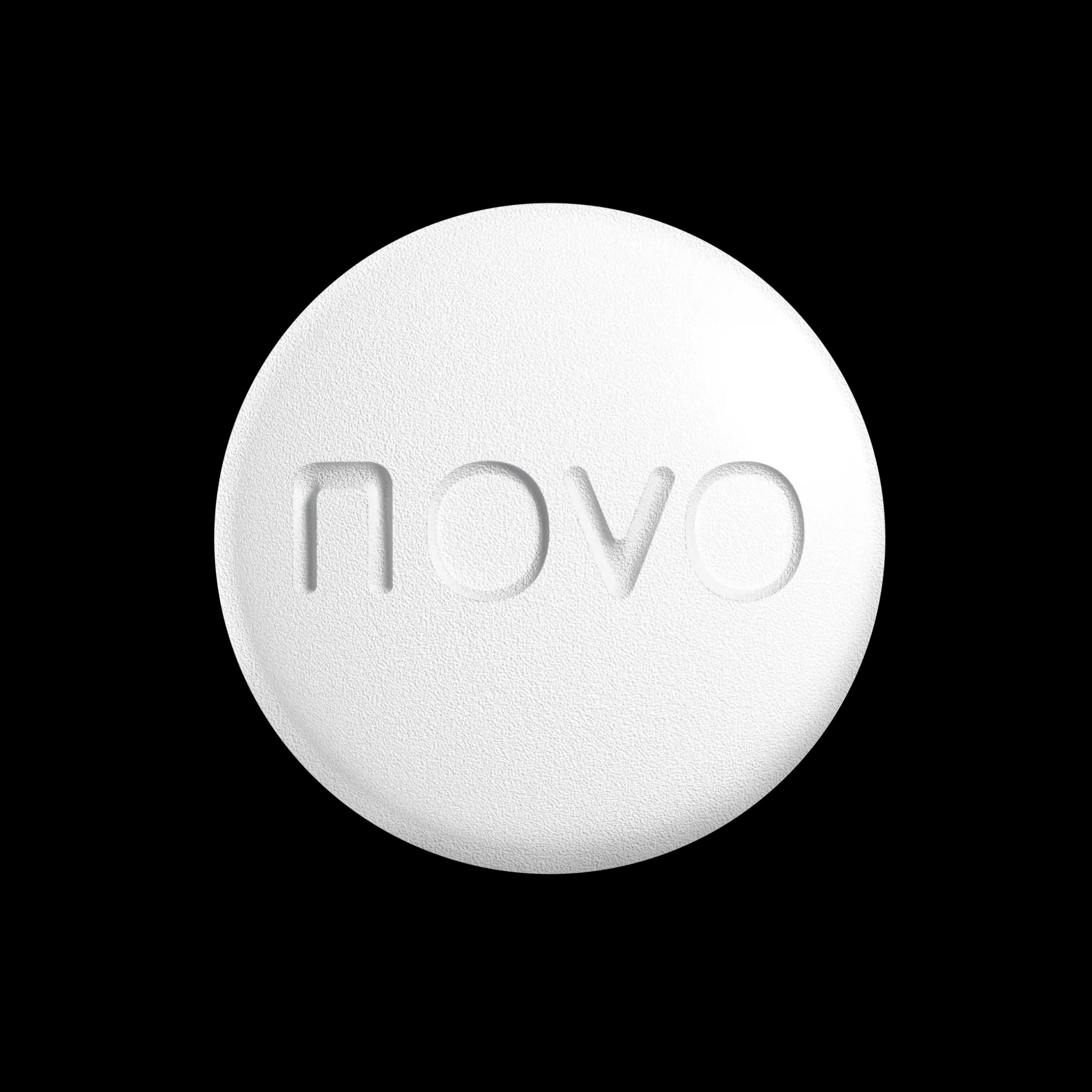

Wegovy Tablet Round

Free online assessment

Free, fast and discreet delivery

12,255 reviews and counting

0

What are semaglutide tablets and how do they work?

What are semaglutide tablets?

Semaglutide tablets are an oral form of semaglutide, a GLP-1 receptor agonist. The same active ingredient is also available as a weekly injection (branded Wegovy or Ozempic). In tablet form, semaglutide is sold under two UK brand names, each licensed for a different purpose (see the next section.)

How do semaglutide tablets work?

Semaglutide tablets work by mimicking the GLP-1 hormone, which helps regulate blood sugar levels and appetite. They increase insulin production in response to meals, decrease the amount of glucose produced by the liver, and slow down stomach emptying, which helps you feel fuller for longer and reduces overall food intake.

Are semaglutide tablets a GLP-1?

Yes. Semaglutide tablets are GLP-1 receptor agonists, sometimes called incretin mimetics. They mimic the effects of the naturally occurring GLP-1 hormone to help manage blood sugar and control appetite.

How long do semaglutide tablets take to work?

Most people notice early effects (particularly on appetite) within the first few weeks. Significant weight loss and longer-term improvements typically become apparent over several months of consistent use.

Wegovy tablets vs Rybelsus: what's the difference?

Both Wegovy tablets and Rybelsus contain the same active ingredient, semaglutide. The difference is what each one is licensed for, and therefore who can prescribe them for what.

Wegovy tablets Rybelsus
Licensed for Weight loss Type 2 diabetes
UK licensing MHRA-approved 11 June 2026 Long-established
Dose range 1.5mg – 25mg 3mg – 14mg
Available at Medicspot Yes No
Typical private cost From £89 (first month) Around £170/month
NHS availability Not currently NICE-approved For diabetes management

Why doesn’t Medicspot prescribe Rybelsus for weight loss?

Rybelsus is only licensed in the UK for managing type 2 diabetes. Using it for weight loss is “off-label” — outside its approved use. Medicspot only prescribes weight-loss medications that are specifically licensed for weight loss, which is why we offer Wegovy tablets (and Wegovy injections) rather than off-label Rybelsus.

If you have type 2 diabetes and want to know more about Rybelsus, see our dedicated Rybelsus guide or speak to your GP.

So which semaglutide tablet should I look at for weight loss?

Wegovy tablets. They’re the only semaglutide tablet licensed for weight loss in the UK. See our full guide: Wegovy Tablets UK — pricing, eligibility and how they work.

Semaglutide tablets costs & UK availability

How much do Wegovy tablets cost?

  • 1.5mg — £89 first month, £139 thereafter (30 days’ supply)
  • 4mg — £109 first month, £159 thereafter
  • 9mg — £129 first month, £179 thereafter
  • 25mg — £179 first month, £229 thereafter

See full pricing and dose details on the Wegovy tablets page.

How much does Rybelsus cost?

Rybelsus is typically prescribed for diabetes management, so cost depends on your prescription route (NHS or private). Privately, and without insurance, it’s typically around £170/month. Medicspot does not prescribe Rybelsus. See our Rybelsus guide for more detail on where to access it.

Can you get semaglutide tablets on the NHS for weight loss?

Wegovy tablets are not currently NICE-approved for NHS weight management. Wegovy injections are available on the NHS for some patients through specialist weight management services, but access is very limited (typically BMI 40+ with additional health conditions). Rybelsus is available on the NHS, but specifically for type 2 diabetes, not for weight loss.

Semaglutide tablets compared to semaglutide injections

What’s the difference between semaglutide tablets and semaglutide injections?

Both forms work the same way in the body: the difference is how they’re taken and absorbed. Injections are taken once a week; tablets are taken daily, on an empty stomach, and generally produce slightly lower average weight loss than injections in clinical trials (around 14% vs up to 20.7%).

For a full breakdown, including switching between the two, and which might suit you — see our Wegovy tablets vs Wegovy injections comparison.

How much weight can you lose on semaglutide tablets compared to semaglutide injections?

Studies suggest that both semaglutide tablets and injections can help with weight loss, but the injections tend to be more effective. On average, people taking semaglutide injections can lose around 10-15% of their body weight over about a year. For semaglutide tablets, the weight loss tends to be slightly lower, around 5-10% of body weight over the same period. The difference in weight loss might be due to the more consistent levels of the medication provided by the weekly injections compared to the daily tablets. Also, it’s important to remember that individual results can vary, and combining the medication with lifestyle changes like diet and exercise can enhance the results.

Can you switch from semaglutide injections to semaglutide tablets? 

Yes, you can switch from semaglutide injections to tablets, but it should be done under the guidance of your healthcare provider. They’ll monitor your response to the new form of the medication and adjust the dosage as needed to ensure it’s effective and safe for you. For more specific information on switching, see our Wegovy tablets vs Wegovy injections comparison.

Can you take semaglutide tablets and semaglutide injections together?

It’s not recommended to take both forms together. Since they contain the same active ingredient, taking both could increase the risk of overdose and side effects without providing additional benefits. It’s best to stick with one form of the medication and work closely with your doctor to find the most effective treatment for you.

Which are better, semaglutide tablets or semaglutide injections?

It depends on your personal preferences and medical needs. Some people prefer the injections because they only have to remember to take the medication once a week, while others prefer the convenience of taking a daily tablet. In terms of effectiveness, both forms of semaglutide can help manage blood sugar levels and promote weight loss, but clinical studies have shown that the injections may lead to slightly greater weight loss compared to the tablets. However injections are not suitable for everyone, especially if you have a fear of needles or reactions at injection sites. A doctor can help you decide which option is best for you based on your preferences, lifestyle and health goals.

Storing and using semaglutide tablets

How do I take semaglutide tablets?

Take the tablet on an empty stomach with a small amount of water (no more than half a glass). Wait at least 30 minutes before eating, drinking, or taking any other oral medication, to ensure proper absorption.

Should you keep semaglutide tablets in the fridge?

No — semaglutide tablets should be stored at room temperature, away from moisture and heat. (This differs from semaglutide injections, which typically require refrigeration.)

How often should you take semaglutide tablets?

Once a day, at a time and dose confirmed by your prescriber.

Can you take too many semaglutide tablets?

Yes — overdosing can cause severe side effects including nausea, vomiting, and low blood sugar. Seek medical attention immediately if you think you’ve taken too many, and always follow your prescriber’s dosage instructions.


Semaglutide tablets side effects and myths

Last updated: [insert publish date]

What are the side effects of semaglutide tablets?

The most common side effects are gastrointestinal: nausea, vomiting, diarrhoea, and constipation. Headaches, dizziness, and fatigue are also reported. These are usually mild-to-moderate and improve as your body adjusts. More serious but less common effects include visual changes, pancreatitis, and gallbladder problems. Talk to your clinician if side effects are severe or persistent.

For Wegovy tablets specifically, see our full side effects breakdown.

Are semaglutide tablets addictive?

No. They work by mimicking a naturally occurring hormone to regulate blood sugar and appetite, and have no addictive properties.

Do semaglutide tablets cause cancer?

There’s no concrete evidence that semaglutide tablets cause cancer. Some studies have examined a potential link between GLP-1 receptor agonists and certain cancers, but the data isn’t conclusive. Semaglutide is closely monitored for safety, and any concerns should be discussed with your prescriber.

Do semaglutide tablets cause nausea?

Yes, nausea is one of the most common side effects, especially when starting treatment. It usually decreases as your body adjusts. Taking the tablet correctly (with small amount of water, 30-minute wait before eating) can help reduce it.

Semaglutide tablets side effects and myths

What are the side effects of semaglutide tablets?

The most common side effects of semaglutide tablets include gastrointestinal issues such as nausea, vomiting, diarrhoea, and constipation. Other side effects can include headaches, dizziness, and fatigue. These side effects are usually mild to moderate and tend to improve as your body adjusts to the medication. More serious but less common side effects can include visual changes, pancreatitis and gallbladder problems (including jaundice). It’s important to talk to your clinician if you experience any side effects, especially if they are severe or don’t go away.

Are semaglutide tablets addictive?

No, semaglutide tablets are not considered addictive. They work by mimicking a naturally occurring hormone in your body to help regulate blood sugar levels and appetite, but they do not have addictive properties.

Do semaglutide tablets make you tired?

Fatigue is not a common side effect of semaglutide tablets, but some people might experience it, especially if they restrict their diet too quickly. If you do feel unusually tired, it’s worth discussing it with your doctor to ensure it’s not related to another underlying condition.

Do semaglutide tablets cause cancer?

There’s no concrete evidence that semaglutide tablets cause cancer. Some studies have looked into a potential link between GLP-1 receptor agonists and certain types of cancer, but the data isn’t conclusive. Semaglutide is closely monitored for safety, and any potential risks are carefully weighed against the benefits. Always discuss any concerns with your healthcare provider, as they can provide the most accurate and up-to-date information.

Do semaglutide tablets give you nausea?

Yes, nausea (feeling sick) is one of the most common side effects of semaglutide tablets. It tends to be more prominent when you first start taking the medication and usually decreases over time as your body adjusts. Taking the medication as directed, with a small amount of water and waiting 30 minutes before eating or drinking, can help reduce nausea. If it becomes severe or persistent, contact us.

Disclaimer

This article is for general information only and should not be used for the diagnosis or treatment of medical conditions. Medic Spot Limited has used all reasonable care in compiling the information but makes no warranty as to its accuracy. Consult a doctor or other health care professional for diagnosis and treatment of medical conditions. In the event of an emergency, please call 999 for immediate assistance.

There is no guarantee of a specific weight loss medication being prescribed. Clinicians will review your online questionnaire alongside other independently validated medical information about you and will recommend the most appropriate weight loss treatments for you based on your answers. In some cases the clinicians may contact you for additional information. See Terms of Service for more information.